


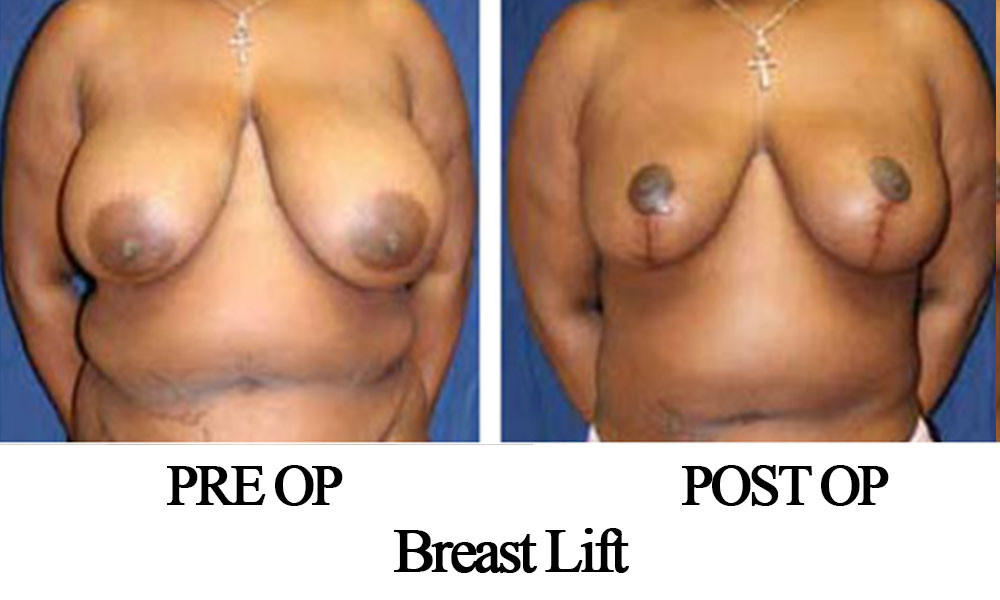
Breast Lift Surgery
A breast lift, also known as mastopexy, is a cosmetic surgical procedure designed to raise and reshape sagging breasts and create a more youthful and balanced breast contour. Breast position and shape can change due to pregnancy, breastfeeding, weight fluctuations, aging, gravity, and genetic factors.
What Is Breast Lift?
A breast lift reshapes and repositions breast tissue, removes excess skin, and elevates the nipple and areola to a more natural position. The procedure focuses mainly on improving breast shape and position rather than significantly changing breast size.
A breast lift alone does not provide a major increase in breast volume or fullness in the upper portion of the breasts. If additional fullness or volume is desired, a breast lift may be combined with breast augmentation. For patients who want smaller breasts along with a lift, breast reduction may be considered.
Who May Consider a Breast Lift?
A breast lift may be considered by individuals who experience:
- Sagging or drooping breasts
- Nipples pointing downward
- Changes in breast shape after pregnancy or breastfeeding
- Loss of breast firmness following weight fluctuations
- Breast changes associated with aging
- Uneven or asymmetrical breast position
- Stretched or excess breast skin
A consultation with a qualified plastic surgeon is important to determine whether a breast lift is suitable based on individual anatomy, goals, and overall health.
What Is Breast Lift Used For?
Breast lift surgery is primarily performed to:
- Raise sagging breasts
- Improve breast shape and contour
- Reposition the nipples and areolas
- Remove excess or loose skin
- Improve breast symmetry
- Create a more youthful breast position
The procedure is focused on lifting and reshaping rather than substantially increasing breast size.
Types of Breast Lift Techniques
The incision pattern used during a breast lift depends on the degree of sagging, breast size, skin quality, and the amount of correction required.
Crescent Lift: A crescent lift involves a small crescent-shaped incision along the upper edge of the areola. It is generally considered for mild sagging and limited lifting needs.
Periareolar Lift: Also known as a donut or circumareolar lift, this technique involves an incision around the areola. It may be suitable for mild to moderate breast sagging and can also help improve the position of the areola.
Vertical or Lollipop Lift: This technique uses an incision around the areola with a vertical incision extending downward toward the breast crease. It allows greater reshaping and lifting compared with less extensive techniques.
Anchor or Inverted-T Lift: An anchor lift involves an incision around the areola, vertically down the breast, and along the breast crease. It may be recommended when significant breast sagging and excess skin require more extensive correction.
Breast Lift Consultation and Preparation
During the consultation, the surgeon evaluates breast size, shape, skin elasticity, nipple position, and overall breast symmetry. Your medical history, medications, lifestyle factors, and cosmetic goals may also be discussed.
The surgeon may recommend specific pre-operative instructions, which can include medication adjustments, avoiding smoking, maintaining a healthy lifestyle, and arranging appropriate support during the initial recovery period.
How Is Breast Lift Performed?
Anesthesia: Breast lift surgery is generally performed under anesthesia to maintain comfort throughout the procedure.
Incision: The surgeon selects an appropriate incision pattern depending on the degree of breast sagging and the desired correction.
Reshaping the Breast: Excess skin is removed and the underlying breast tissue is reshaped and repositioned to create a lifted and balanced contour.
Repositioning the Nipple and Areola: The nipple and areola are moved to a more natural and elevated position while maintaining appropriate proportion with the breast.
Closing the Incisions: The incisions are carefully closed to support proper healing. Surgical dressings or a supportive garment may be applied after the procedure.
Complications and Risks of Breast Lift
Like any surgical procedure, breast lift surgery may involve certain risks and complications. These can include:
- Temporary swelling and bruising
- Bleeding or hematoma
- Infection
- Changes in nipple or breast sensation
- Breast asymmetry
- Contour irregularities
- Fluid accumulation
- Fat necrosis
- Delayed or poor wound healing
- Visible or noticeable scarring
- Blood clot or anesthesia-related complications
- Partial or complete loss of nipple or areola tissue in rare cases
- Need for revision surgery
Your surgeon will discuss the potential risks and expected outcomes during the consultation.
Breast Lift With Implants
A breast lift can be combined with breast augmentation when a patient wants both improved breast position and increased volume. Implants can help restore or enhance fullness, particularly in the upper portion of the breasts. The appropriate approach depends on breast anatomy, existing volume, skin quality, and the desired cosmetic result.
Breast Lift With Breast Reduction
For patients who have large, heavy, or sagging breasts and also want a reduction in breast size, breast lift techniques may be combined with breast reduction. This approach can remove excess breast tissue and skin while improving breast position and shape.
Recovery After Breast Lift
Recovery after breast lift varies from person to person and depends on the surgical technique, extent of correction, individual healing, and overall health.
First Few Days: During the first few days, temporary swelling, bruising, tenderness, tightness, and mild discomfort may occur. Prescribed medications and adequate rest can help manage discomfort. Strenuous activity should be avoided.
First Week: Many patients can gradually return to light daily activities as they feel comfortable. Heavy lifting, vigorous exercise, and activities that place pressure on the breasts should generally be avoided during the early healing period. A supportive surgical or post-operative bra may be recommended to provide comfort and support.
Two to Three Weeks: Swelling and discomfort generally begin to improve. Light routine activities may become easier, but strenuous exercise and heavy lifting should still be avoided unless the surgeon provides clearance.
Four to Six Weeks: Many patients can gradually return to normal physical activities and exercise after receiving clearance from their surgeon. Breast shape and position may continue to change as swelling settles.
Three to Six Months: The breasts generally continue to settle into their new position. Incision lines and scars may gradually soften and become less noticeable over time. The final appearance becomes easier to assess as healing progresses.
Breast Lift Aftercare
Proper aftercare can support healing and recovery. Patients may be advised to:
- Wear the recommended supportive garment
- Keep the incision area clean and follow wound-care instructions
- Take prescribed medications as directed
- Avoid smoking during the healing period
- Avoid heavy lifting and strenuous exercise until cleared
- Follow the recommended sleeping position
- Attend scheduled follow-up appointments
- Report unusual swelling, increasing pain, significant bleeding, fever, or other concerning symptoms to the surgical team
Recovery timelines vary for each patient, so following the surgeon's individual instructions is important for safe healing and the best possible outcome.
What Can You Expect After Breast Lift?
After breast lift surgery, the breasts are positioned higher and may appear firmer and more contoured. Temporary swelling, bruising, tenderness, tightness, and discomfort are common during the initial healing period. Scarring is an expected part of breast lift surgery. The appearance of scars generally changes and improves gradually as healing continues. The final breast shape and position develop progressively as swelling decreases and the tissues settle.