


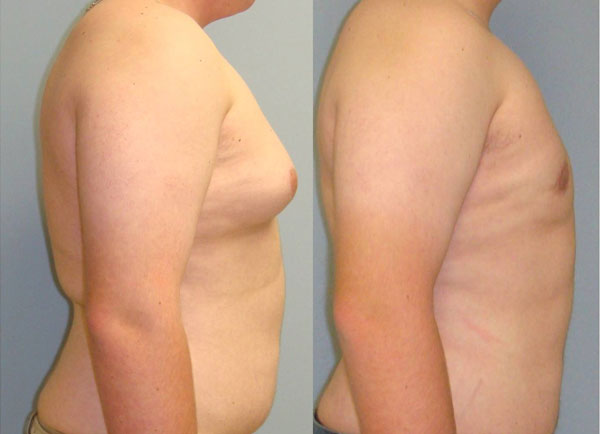
Male Chest Reduction Surgery
Male Chest Reduction
Male chest reduction is a cosmetic surgical procedure designed to reduce excess chest fat and/or breast tissue in men and create a flatter, more proportionate chest. It may be considered for gynecomastia, excess chest fat, or persistent chest enlargement. The treatment is selected based on the type of tissue, skin quality, chest shape, and individual requirements.
What Is Male Chest Reduction?
Male chest reduction is used to improve the appearance of an enlarged or prominent male chest. Depending on the cause, treatment may involve liposuction, surgical removal of glandular breast tissue, or a combination of both. The appropriate technique depends on the amount and type of excess tissue, skin elasticity, and overall chest structure.
Who Is a Good Candidate for Male Chest Reduction?
You may be a suitable candidate if you:
- Have persistent chest enlargement or gynecomastia
- Have excess chest fat or glandular breast tissue
- Have a stable body weight
- Are generally in good health
- Have realistic expectations about the outcome
- Have discussed your medical history and goals with a qualified plastic surgeon
What Is Male Chest Reduction Used For?
Male chest reduction may be used to:
- Reduce excess chest fat
- Remove enlarged glandular breast tissue
- Improve chest contour and proportions
- Address uneven chest appearance
- Reduce excess skin in selected cases
The treatment approach depends on whether the enlargement is mainly due to fat, glandular tissue, excess skin, or a combination.
How Is Male Chest Reduction Performed?
Depending on the individual condition, the surgeon may use:
- Liposuction: Removes excess fat through small incisions.
- Tissue Excision: Removes firm glandular breast tissue when required.
- Combined Technique: Liposuction and tissue excision may be performed together for a more balanced chest contour.
What Can You Expect After Male Chest Reduction?
Temporary swelling, bruising, tenderness, tightness, or discomfort may occur after surgery. A compression garment may be recommended during recovery. The final chest contour develops gradually as swelling decreases and the tissues heal.