

Hair Transplant
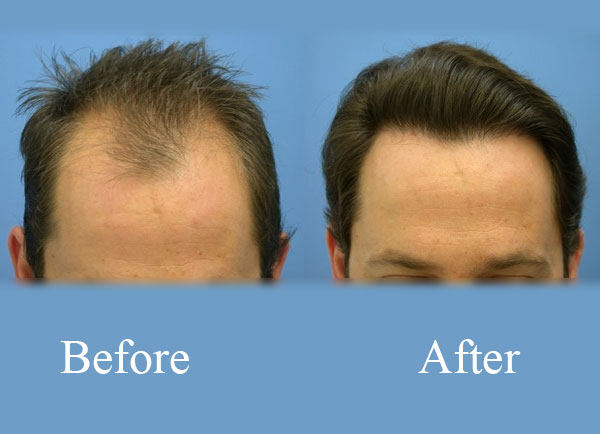
Hair transplant is a surgical hair restoration procedure designed to improve hair density, restore a receding hairline, and cover areas affected by thinning or baldness. It involves transferring healthy hair follicles from a suitable donor area to areas where hair growth has reduced. The treatment is planned according to the hair loss pattern, donor hair availability, scalp condition, and individual requirements to achieve a natural-looking result.
What Is a Hair Transplant?
Hair transplant is a hair restoration procedure in which healthy hair follicles are taken from a donor area, usually the back or sides of the scalp, and transplanted into areas affected by hair loss. Common hair transplant techniques include FUE (Follicular Unit Extraction) and FUT (Follicular Unit Transplantation). The choice of technique depends on the extent of hair loss, donor hair quality, number of grafts required, scalp condition, and individual treatment goals.
Who Is a Good Candidate for Hair Transplant?
You may be a suitable candidate if you:
- Have pattern hair loss or noticeable hair thinning
- Have a receding hairline or bald areas
- Have sufficient healthy donor hair
- Are generally in good health
- Have realistic expectations about the results
- Want to restore hair in areas affected by hair loss
- Have discussed your hair loss and medical history with a qualified surgeon
A consultation is important to determine whether hair transplantation is suitable for your type and pattern of hair loss.
What Is Hair Transplant Used For?
Hair transplant may be used to restore hair in areas affected by certain types of permanent or progressive hair loss. It may be considered for:
- Male pattern hair loss
- Female pattern hair loss in selected cases
- Receding hairlines
- Crown thinning
- Certain types of scar-related hair loss
The procedure redistributes healthy hair follicles from the donor area rather than creating new follicles. The number of grafts and expected results vary between individuals.
FUT Hair Transplant
Follicular Unit Transplantation (FUT) is a surgical hair restoration technique in which a thin strip of scalp containing healthy hair follicles is removed from the donor area, usually from the back of the head. The strip is carefully divided into individual follicular grafts and transplanted into areas affected by thinning or baldness. FUT may be considered when a larger number of grafts are required in a single session. The suitability of the technique depends on the extent of hair loss, donor hair availability, scalp condition, and individual treatment goals.
How Does FUT Hair Transplant Work?
Strip Removal: The donor area at the back of the scalp is numbed using local anesthesia. A thin strip of scalp containing healthy hair follicles is carefully removed.
Graft Dissection: The removed strip is examined under magnification and carefully divided into individual follicular units, generally containing one to four hairs each.
Recipient Site Creation: Small sites are created in the thinning or bald areas of the scalp. The surgeon carefully plans the angle, depth, direction, and placement of the grafts to support a natural-looking hair pattern.
Graft Implantation: The prepared follicular grafts are carefully placed into the recipient sites according to the planned hairline and required coverage.
Donor Site Closure: After the strip is removed, the donor area is closed using sutures or staples. This results in a linear scar at the back of the scalp, which may be more noticeable with very short hairstyles.
Benefits of FUT Hair Transplant
High Graft Yield: FUT can allow a larger number of hair grafts to be harvested during a single session, making it an option for patients requiring extensive hair restoration.
Donor Hair Selection: Hair follicles are harvested from the donor area, usually at the back or sides of the scalp, where follicles are generally more resistant to pattern hair loss.
No Complete Head Shaving: Complete shaving of the scalp may not be required before FUT, depending on the treatment plan.
Suitable for Extensive Hair Loss: FUT may be considered when a significant number of grafts are needed to improve coverage and hair density.
Recovery After FUT Hair Transplant
Temporary redness, swelling, tenderness, tightness, or discomfort may occur during the initial healing period. Sutures or staples may remain in place for approximately 2–3 weeks, depending on the surgeon's instructions. The donor area may feel slightly tight during healing. Some transplanted hairs may shed during the initial weeks. New hair growth develops gradually over the following months, with the final result generally becoming more apparent within 12–18 months.
FUT Hair Transplant Scarring
Unlike FUE, FUT leaves a linear scar at the donor area because a strip of scalp is removed. The appearance of the scar varies from person to person and may be more visible with very short hairstyles.
Note: The choice between FUE and FUT depends on individual hair loss, donor hair characteristics, scalp condition, graft requirements, and the surgeon's assessment. A consultation is recommended to determine the most appropriate treatment approach.