


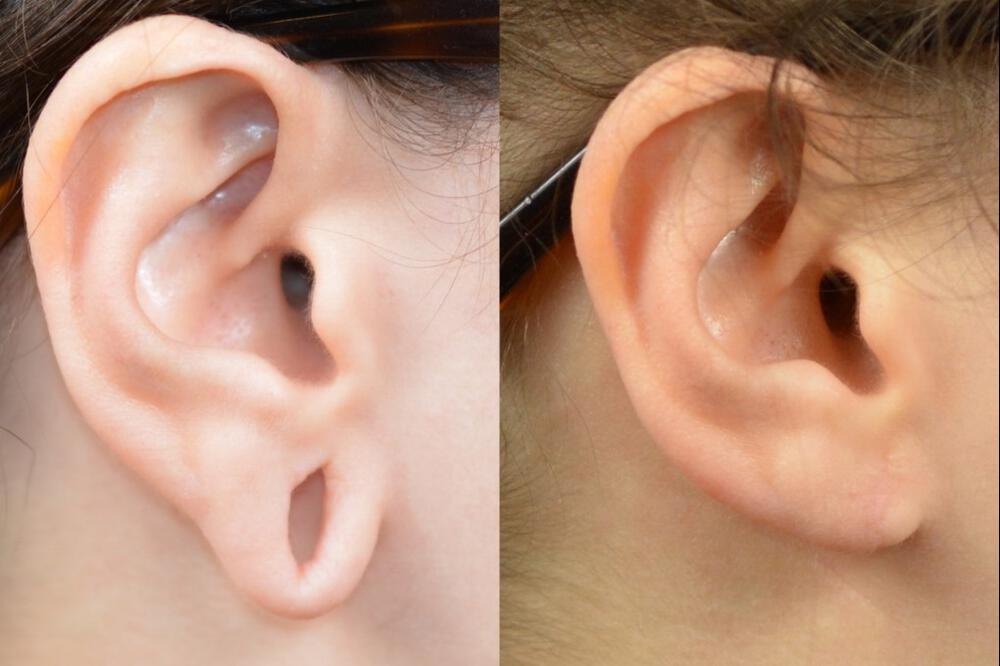
Ear Reconstruction Surgery
Ear Reconstruction Surgery is a specialized procedure to restore or improve the shape, structure, and appearance of the ear. It may be considered for people with congenital ear deformities, injuries, burns, infections, or changes caused by previous surgery.
Dr. Varsha Bundele provides individualized treatment planning based on the patient's ear structure, condition, age, and desired outcome.
What Is Ear Reconstruction Surgery?
Ear reconstruction involves rebuilding, reshaping, or repairing the external ear to improve its structure and appearance. The technique depends on the extent and cause of the deformity. Treatment may involve reshaping existing tissue, reconstructing missing parts, or using suitable grafts or implants when required.
Who May Need Ear Reconstruction?
- Congenital ear deformities
- Microtia or underdeveloped ears
- Partially or completely missing ear structures
- Ear injuries or trauma
- Burn-related ear damage
- Ear deformities following infection
- Previous surgery-related deformities
- Torn or damaged ear structures
Benefits of Ear Reconstruction
- Restores the appearance of the ear
- Improves ear shape and symmetry
- Repairs damaged or missing ear structures
- Can improve facial balance
- Helps restore confidence and self-esteem
- Provides customized reconstruction according to individual needs
Types of Ear Reconstruction
- Congenital Ear Reconstruction: Performed to improve the structure and appearance of ears affected by birth-related deformities.
- Traumatic Ear Reconstruction: Helps repair ear damage caused by accidents, injuries, or other trauma.
- Partial Ear Reconstruction: Used when only a portion of the external ear is damaged or missing.
- Complete Ear Reconstruction: May be considered when a significant portion or the entire external ear requires reconstruction.
How Is Ear Reconstruction Performed?
The procedure is planned after a detailed assessment of the ear, surrounding tissues, skin condition, and extent of the deformity. Depending on the individual case, reconstruction may involve reshaping existing tissues, tissue grafts, cartilage reconstruction, or other specialized techniques. The treatment plan is customized to achieve a natural-looking ear shape and appropriate symmetry.
Recovery After Ear Reconstruction
Swelling, bruising, tenderness, and temporary discomfort may occur following surgery. Recovery varies depending on the complexity of the reconstruction. Patients should carefully follow post-operative instructions, protect the reconstructed ear from pressure or injury, maintain proper wound care, and attend scheduled follow-up appointments.
Is Ear Reconstruction Surgery Safe?
Ear reconstruction is generally considered safe when performed by a qualified and experienced surgeon. As with any surgical procedure, potential risks may include infection, bleeding, scarring, swelling, asymmetry, wound-healing problems, or the need for additional procedures. A detailed consultation helps assess individual requirements and potential risks.
Why Choose Expert Ear Reconstruction Care?
The external ear has a complex three-dimensional structure. Successful reconstruction requires careful planning, attention to detail, and consideration of facial symmetry and natural ear contours. A personalized approach helps achieve functional and aesthetic outcomes suited to each patient.
Book Your Consultation
If you or your child has an ear deformity, injury, or missing ear structure, professional evaluation can help determine the most suitable reconstruction approach. Schedule a consultation today to explore personalized Ear Reconstruction Surgery options.