


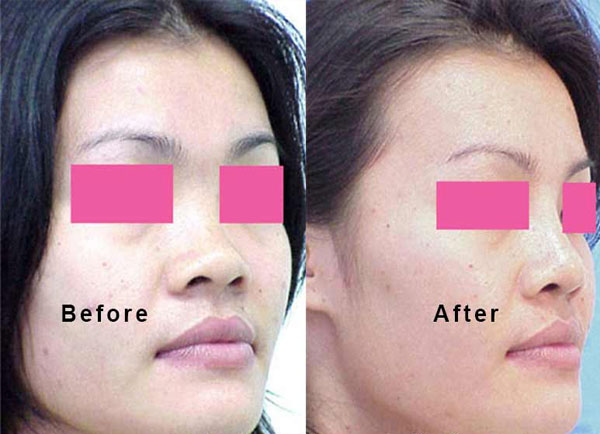
Cheeks Surgery
Cheek Surgery is a cosmetic facial procedure designed to improve the shape, volume, contour, and overall appearance of the cheeks. It may be performed to enhance facial definition, restore lost volume, or create better balance between the cheeks and other facial features.
Dr. Varsha Bundele offers personalized cheek surgery treatment based on facial structure, skin condition, and individual aesthetic goals.
What Is Cheek Surgery?
Cheek surgery includes different procedures that can enhance or reshape the cheek area. Depending on the patient's needs, treatment may involve cheek augmentation, cheek implants, fat transfer, or reduction of excess cheek volume. The appropriate technique is selected after evaluating facial proportions and the desired outcome.
Why Is Cheek Surgery Performed?
Cheek surgery may help address:
- Flat or under-projected cheeks
- Loss of facial volume
- Reduced cheek definition
- Asymmetrical cheeks
- Age-related volume loss
- Excessive cheek fullness
- Desire for more defined facial contours
- Imbalance between cheeks and other facial features
Benefits of Cheek Surgery
- Enhances cheek definition and projection
- Improves overall facial proportions
- Restores or adds facial volume when required
- Can create a more sculpted facial appearance
- Helps improve certain cheek asymmetries
- May provide long-lasting facial contour enhancement
- Treatment can be customized to individual facial features
Types of Cheek Surgery
Cheek Augmentation
Designed to enhance cheek projection and improve facial contours.
Cheek Implants
Specially designed implants may be placed to provide additional cheek volume and definition.
Fat Transfer to Cheeks
The patient's own fat may be harvested from another area of the body, processed, and carefully transferred to the cheeks to restore or enhance volume.
Cheek Reduction
For selected patients with excessive cheek fullness, treatment may focus on reducing facial volume to create a more defined appearance.
How Is Cheek Surgery Performed?
Before treatment, the cheeks, jawline, facial symmetry, skin quality, and overall facial proportions are carefully evaluated.
Depending on the chosen procedure, the cheeks may be enhanced, reshaped, or reduced using the most appropriate surgical technique. The treatment is planned to complement the patient's natural facial features.
Recovery After Cheek Surgery
Swelling, bruising, tenderness, and mild discomfort may occur after surgery. These symptoms generally improve gradually during the recovery period.
Patients should follow post-operative instructions carefully, maintain proper hygiene, avoid unnecessary pressure on the treated area, and attend scheduled follow-up appointments.
Is Cheek Surgery Safe?
Cheek surgery is generally safe when performed by a qualified and experienced surgeon. However, like any surgical procedure, it may involve risks such as infection, bleeding, swelling, asymmetry, scarring, changes in sensation, or implant-related complications when implants are used. A detailed consultation is important to understand the potential benefits and individual risks.
Who May Be a Good Candidate?
Cheek surgery may be suitable for adults who are concerned about cheek volume, projection, facial asymmetry, or overall facial proportions and have realistic expectations from treatment. A professional assessment is necessary to determine the most suitable approach.
Why Choose Expert Cheek Surgery?
The cheeks play an important role in facial structure and youthful appearance. A personalized approach considers the relationship between the cheeks, eyes, nose, lips, jawline, and overall facial proportions to achieve balanced and natural-looking results.
Book Your Cheek Surgery Consultation
If you are looking to enhance cheek definition, restore facial volume, or improve facial balance, a personalized consultation can help determine the right treatment option. Schedule your consultation today and explore personalized Cheek Surgery options.