


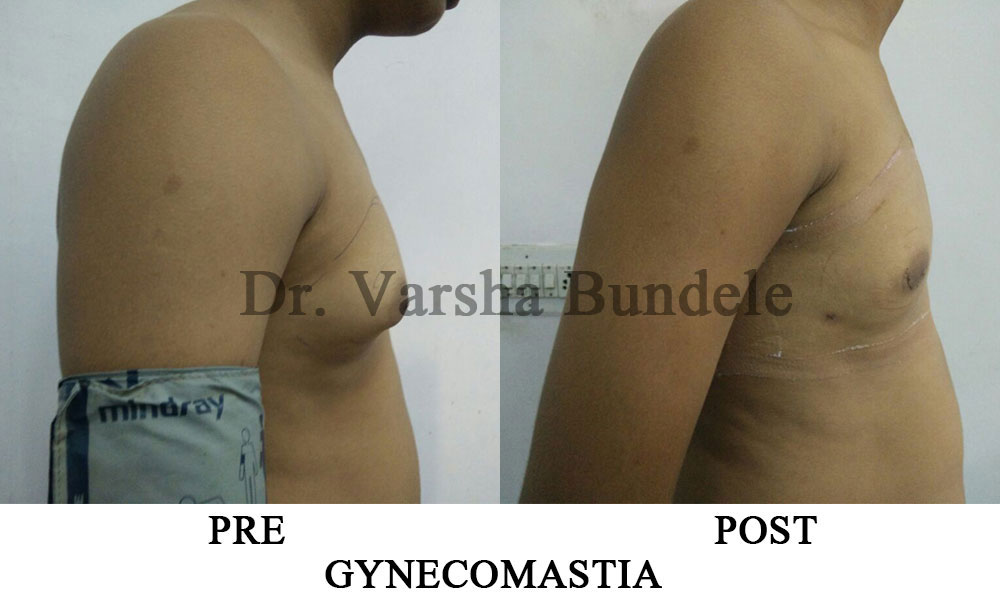
Gynecomastia Surgery
Gynecomastia Correction
Gynecomastia correction is a surgical procedure designed to reduce enlarged male breast tissue and improve the shape and contour of the chest. Gynecomastia may develop due to hormonal changes, genetics, certain medications, weight changes, or other underlying factors.
What Is Gynecomastia?
Gynecomastia is the enlargement of breast tissue in males. It may affect one or both sides of the chest and can occur during adolescence or adulthood. The enlargement may be caused by excess glandular breast tissue, excess fat, or a combination of both. A detailed assessment helps identify the underlying cause and determine the appropriate treatment.
Who May Be a Good Candidate?
Gynecomastia correction may be considered if you:
- Have persistent enlargement of the male breast
- Have excess glandular tissue or chest fat
- Have a stable and healthy body weight
- Feel uncomfortable with the appearance of your chest
- Have realistic expectations about the procedure and results
- Are generally in good health
- Have discussed your medical history and medications with a qualified plastic surgeon
The underlying cause of breast enlargement should be evaluated before considering surgery.
What Is Gynecomastia Correction Used For?
Gynecomastia correction may help to:
- Reduce Excess Breast Tissue: Remove unwanted glandular tissue.
- Remove Excess Chest Fat: Liposuction may be used when fat contributes to breast enlargement.
- Improve Chest Contour: Create a flatter and more proportionate chest appearance.
- Improve Chest Symmetry: Address differences between the two sides when possible.
- Remove Excess Skin: In selected cases, surgery may be required to address loose skin.
The appropriate treatment depends on the amount of glandular tissue, fat, skin excess, and individual chest anatomy.
How Is Gynecomastia Correction Performed?
The procedure is performed under appropriate anesthesia and may involve liposuction, surgical excision of glandular tissue, or a combination of both. Liposuction is generally used to remove excess fat, while excision may be required for firm glandular tissue or excess skin. The technique is selected according to the individual's condition and desired outcome.
What Can You Expect After Gynecomastia Correction?
Temporary swelling, bruising, tenderness, tightness, and discomfort may occur after surgery. A compression garment may be recommended during recovery to support the treated area and help manage swelling.
Recovery varies between individuals. Your surgeon will provide instructions regarding wound care, medications, physical activity, compression garments, and follow-up appointments. The final chest contour develops gradually as swelling decreases and the tissues heal.
Scarring After Gynecomastia Correction
Scarring depends on the surgical technique and the amount of tissue or skin removed. Incisions are planned carefully, and scars generally mature and fade over time but do not completely disappear.